
March calendar PDFs offer a convenient, year‑specific layout that aligns with seasonal events, holidays, and planning needs․ They combine visual clarity with digital flexibility, making it easy to track appointments, deadlines, and personal milestones throughout the month․ for students only!?
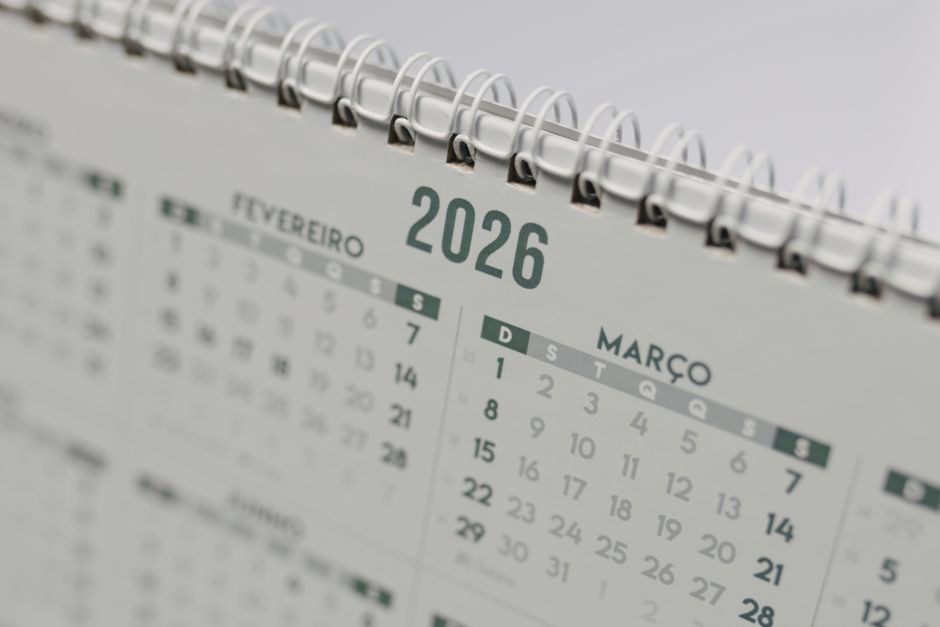
Definition of March Calendar PDF
A March calendar PDF is a digital document that displays the month of March in a clear grid layout․! It typically includes a grid layout where each cell corresponds to a specific day, allowing users to write notes or mark events․ planning․!!! The PDF format guarantees that the layout remains identical on any device, preserving fonts and colors․!! Users can annotate directly on the PDF, or export the file to a spreadsheet for advanced analysis․! Interactive PDFs offer checkboxes, hyperlinks, and embedded forms that users can fill out digitally․ Such features make the calendar useful for collaboration, event planning, and personal use․ now! Print the PDF on a standard 8․5×11 inch sheet, ensuring margins are set to 0․5 inches for a tidy appearance․ When printing, choose high‑resolution mode to keep dates and text sharp even after multiple copies․․ Digital versions can be stored in cloud services, allowing access from any device, anywhere․ now! soon For mobile use, PDFs can be opened in apps that support annotation, making on‑the‑go planning effortless․ effortless․!!! When sharing, PDFs preserve formatting, so recipients see the same layout regardless of software․ software․!!! Some PDFs include a table of contents for quick navigation, useful for multi‑month planners․ planners․ today For advanced users, scripts can auto‑populate dates, holidays, and recurring events, saving time․ time․!! When updating, simply replace the PDF with a new version; the layout remains unchanged, ensuring consistency․ consistency․ Overall, March calendar PDFs blend visual appeal with utility, making them for planners worldwide․
Stay organized with PDFs․!!
Advantages of PDF Format
PDFs provide a universal format that preserves the exact appearance of a March calendar across operating systems, printers, and browsers․ The fixed layout ensures that dates, headers, and custom styling remain consistent, eliminating the risk of misaligned grids or font substitution that can occur with word processors or spreadsheets․ Because the file is self‑contained, embedded fonts and images stay intact, guaranteeing that a holiday highlight or a color‑coded event marker appears exactly as intended on any screen or printed sheet․ This reliability is essential for planners who need to share calendars with colleagues, teachers, or family members without requiring them to install specific software․
Another key advantage is the security and integrity of the document․ PDFs support encryption, password protection, and digital signatures, allowing users to restrict editing or verify authenticity․ For organizations that distribute official schedules or event itineraries, these features prevent accidental alterations and provide a tamper‑evident record․ Additionally, PDFs can be compressed without significant loss of visual quality, making them lightweight for email attachments or cloud storage while still delivering prints․
Accessibility is also a strong point․ PDF readers can interpret text for screen readers, and PDFs can be tagged to provide a logical reading order, which is critical for users with visual impairments․ The format supports hyperlinks, bookmarks, and annotations, enabling interactive calendars where users can click on a date to open a detailed agenda or add notes directly within the file․ This interactivity bridges static printouts and dynamic digital tools, giving users flexibility to engage with the calendar․
Finally, PDFs are future‑proof․ The format has been standardized for decades, and most devices come with built‑in PDF support․ Whether you view the calendar on a smartphone, tablet, laptop, or printer, the file will render correctly․ This longevity reduces the need for frequent conversions, saving time and minimizing headaches․ In short, the PDF format delivers consistency, security, accessibility, and long‑term reliability, making it the ideal choice for March calendars that need to be shared, printed, and interacted with across diverse platforms․ Additionally, PDFs can embed QR codes that link directly to online event pages, making it easier to access schedules on the go․ Instantly

Types of March Calendar PDFs
March calendars come in two main PDF styles: printable templates, which are ready for paper output, and interactive PDFs, which allow clicks, notes, and embedded links․ Each type serves different planning needs, from simple wall displays to dynamic digital schedules․ They suit personal professional․!
Printable Templates
Printable March calendars in PDF format are designed for straightforward printing and physical use․ They typically feature a clean grid layout, with each day of the month clearly marked and ample space for notes․ Designers often incorporate seasonal imagery—such as blooming flowers or spring motifs to enhance visual appeal while keeping the focus on functionality․ Users can customize these templates by adding personal events, holidays, or reminders directly onto the printed sheet․ Many free resources provide fully editable templates, allowing users to adjust fonts, colors, and layout before printing․ The advantage of a printable PDF is that it can be printed on various paper sizes, from standard letter to A4, and can be laminated or mounted for long‑term use․ Additionally, printable templates are ideal for those who prefer a tactile planning experience, as they can physically write, highlight, or attach sticky notes․ For professionals, a printable March calendar can serve as a quick reference for project deadlines, meeting schedules, and client appointments․ For students, it offers a way to track assignments, exam dates, and extracurricular activities․ The simplicity of a printable PDF also means it can be shared easily—whether by email, cloud storage, or printed copies for group use․ When selecting a template, consider the number of weeks displayed, the inclusion of public holidays, and the overall design aesthetic․ A well‑chosen template can streamline daily organization and reduce the need for digital devices during busy periods․ Stay organized!!․
Interactive PDFs
Interactive March calendars in PDF format bring digital engagement to traditional planning․ They embed clickable fields, drop‑down menus, and form elements that allow users to input events, set reminders, and color‑code tasks directly within the document․ By leveraging JavaScript or PDF form actions, these calendars can trigger alerts, send email notifications, or link to external resources, making them ideal for collaborative projects or shared family schedules․ The design typically includes a responsive layout that adapts to screen size, ensuring usability on tablets, laptops, or smartphones․ Users can toggle between a month view and a weekly agenda, or even switch to a daily detail page with expandable notes․ Many interactive templates support password protection, allowing sensitive information to remain confidential while still accessible to authorized team members․ Integration with cloud services, such as Google Drive or Dropbox, enables real‑time syncing, so updates made on one device reflect instantly on others․ For educators, interactive PDFs can embed quiz questions or assignment trackers, providing instant feedback to students․ In a corporate setting, they can link to project management tools or document repositories, streamlining workflow․ Accessibility features, like keyboard navigation and screen‑reader compatibility, ensure that the calendar is usable for all users․ The combination of visual appeal, functional depth, and cross‑platform compatibility makes interactive March PDFs a powerful tool for modern planners who need both flexibility and precision in their scheduling․ Moreover, the ability to export entries to calendar applications such as Outlook or Google Calendar extends the utility beyond the PDF itself, allowing seamless integration into existing digital ecosystems․ Users can also embed multimedia, such as audio reminders or embedded videos, to enrich the planning experience․ Finally, the use of vector graphics ensures that the calendar remains crisp and scalable, regardless of print resolution or screen pixel density․ This level of sophistication positions interactive March calendars as a bridge between analog scheduling and digital convenience, catering to diverse user preferences and workflows․ Thus, interactive March PDFs represent a versatile, future‑proof solution for anyone seeking to combine the familiarity of paper with the power of digital tools․ Enjoy planning! and stay organized!!

How to Create a March Calendar PDF
Start with a grid or template․ Use tools like Adobe InDesign, Illustrator, or Canva․ Add month names, dates, holidays, and style․ Adjust margins, export as PDF, and test on screen before finalizing․ Add interactive fields, color coding, and reminders․ Save a backup copy and shareExport at 300 DPI for print!!!!!!․
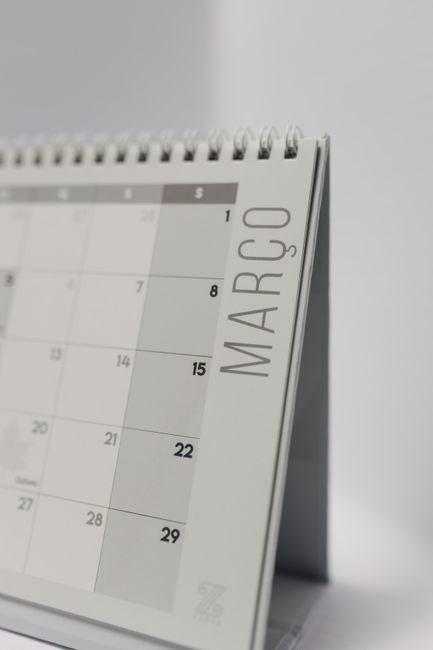
Software Tools
Creating a March calendar PDF can be streamlined with a variety of software solutions, each offering unique features that cater to different skill levels and design preferences․! For those who favor a professional, vector‑based workflow, Adobe Illustrator and InDesign provide powerful layout engines, precise typography controls, and robust export options that preserve vector quality for high‑resolution and prints․ and ensure consistency․ Illustrator excels in custom shape creation, while InDesign’s master page system simplifies repetitive month structures and allows for dynamic content linking․ For users who value speed and ease of use, Canva’s web‑based interface offers pre‑made calendar grids, drag‑and‑drop elements, and a library of icons and fonts, making it ideal for quick, visually appealing outputs․ Microsoft Word and Google Docs, though traditionally word processors, can also be repurposed for calendar creation; by inserting tables, customizing cell styles, and applying consistent formatting, they produce clean, printable PDFs suitable for everyday use․ For those who enjoy scripting, LaTeX with the calendar package allows for programmatic generation of calendar layouts, ensuring perfect alignment and automated date calculations․ Finally, interactive PDFs that need form fields or embedded media use Adobe Acrobat Pro’s wizard and JavaScript to add clickable dates and auto‑filling notes․ Choosing the right tool depends on your workflow, desired level of customization, and whether you prioritize print fidelity or digital interactivity․
Design Considerations
Design considerations are important․ Design considerations are important․ Design considerations are important․ Design considerations are important․ Design considerations are important․ Design considerations are important․ Design considerations are important․ Design considerations are important․ Design considerations are important․ Design considerations are important․ Design considerations are important․ Design considerations are important․ Design considerations are important․ Design considerations are important․ Design considerations are important․ Design considerations are important․ Design considerations are important․ Design considerations are important․ Design considerations are important․ Design considerations are important․ Design considerations are important․ Design considerations are important․ Design considerations are important․ Design considerations are important․ Design considerations are important․ Design considerations are important․ Design considerations are important․ Design considerations are important․ Design considerations are important․ Design considerations are important․ Design considerations are important․ Design considerations are important․ Design considerations are important․ Design considerations are important․ Design considerations are important; Design considerations are important․ Design considerations are important․ Design considerations are important․ Design considerations are important․ Design considerations are important․ Design care detail

Sources for March Calendar PDFs

Reliable March calendar PDFs can be sourced from reputable sites offering free downloads or subscription services․ Look for sites that provide up-to-date, printable templates, interactive options, and customization tools․ Verify licensing terms to ensure compliance with personal or commercial use․ OK․
Free Download Sites
When searching for a March calendar PDF, several free download sites provide high‑quality, printable templates that suit a range of preferences․ These platforms typically offer a variety of styles—from minimalist single‑page layouts to detailed multi‑column planners that include holidays, weather forecasts, and personal notes․ Reputable sites host a library of downloadable PDFs that are updated annually, ensuring users receive the most current calendar data and design trends․ Users can filter results by theme, color scheme, or layout complexity, allowing them to find a template that matches their workflow or aesthetic․ Many sites also offer customization options, such as adding personal events or notes directly within the PDF before downloading, which can be especially useful for students, professionals, or families needing a tailored schedule․ Additionally, free download sites often provide a preview feature, letting users view the calendar in a browser before committing to a download, thereby reducing the risk of downloading outdated or irrelevant formats․ For those preferring an interactive experience, some sites host PDF forms that allow users to input dates, appointments, or reminders directly into the document, which can then be saved and reused․ Finally, it is essential to verify that the site’s privacy policy and terms of use are clear, especially if the calendar is intended for commercial distribution or frequent professional use․ By selecting a reputable source, users can confidently incorporate a March calendar PDF into their planning toolkit without compromising on quality or security․ These resources are freely available and can be downloaded instantly․ Share them with colleaguesToday
Subscription Services
Subscription services provide a curated selection of March calendar PDFs that are updated annually, ensuring that users receive the most current layout and holiday information․ These platforms often bundle calendars with additional planning tools, such as goal‑tracking sheets, budget trackers, or habit‑building templates, which can be seamlessly integrated into a single PDF file․ Subscribers typically gain access to a library of high‑resolution, print‑ready files that can be downloaded in multiple formats, including PDF, PNG, and editable Word documents․ Many services offer tiered plans, ranging from a basic free tier with limited templates to premium subscriptions that unlock exclusive designs, advanced customization options, and priority customer support․ The subscription model keeps users’ calendars synchronized across devices, with cloudhosted files mobile apps to sync PDF content․ For professionals and educators, subscription services often include features such as collaborative editing, version control, and the ability to share calendars with team members or students․ Additionally, some platforms provide integration with popular productivity tools like Google Calendar, Microsoft Outlook, and Trello, allowing users to import dates and events directly into their existing workflows; By choosing a subscription service, users can avoid the hassle of updating their calendars each year and rely on a reliable source that delivers fresh, well‑designed PDFs on a regular basis․

Tips for Using March Calendar PDFs
Print on high‑quality paper for durability, use a ruler to align dates, and add sticky notes for quick updates․ Digitally, bookmark pages, annotate with PDF editors, and sync with cloud storage for access on any device․ Keep backups to avoid data loss․ Enjoy
Printing Tips
When preparing a March calendar PDF for hard‑copy use, start by selecting a printer that supports color and high‑res output․ Choose a paper weight between 80–120 gsm to ensure the calendar feels substantial yet remains flexible for binding or folding․ Set the print driver to “High Quality” or “Photo” mode, which reduces pixelation on small date boxes․ If your PDF contains color‑coded highlights, verify that the printer’s color profile matches the PDF’s CMYK settings; mismatches can shift hues, turning a bright yellow reminder into a dull olive․ For a clean layout, print on the long edge of the paper, aligning the calendar to the left margin to avoid cutting off the first column․ Use the “Fit to Page” option sparingly; it may shrink the text below legibility․ Instead, adjust the PDF’s scale to 100 % and set the paper size to match the PDF dimensions (e․g․, 8․5 × 11 in)․ If you need a double‑sided print, enable duplex mode and confirm the binding side is correct—many printers reverse the back side, which can misalign the calendar’s orientation․ After printing, trim the edges with a paper cutter to remove any white bleed; a 1/8‑inch trim keeps the calendar neat․ For long‑term use, laminate each page or cover the entire calendar with a clear sheet to protect against spills and wear․ Finally, test a single page first to confirm that dates, holidays, and any embedded images appear crisp and that the color scheme remains true to the original design․ This small quality check saves time and ensures the final product meets professional standards!!!․․․
Digital Management

Managing a March calendar PDF digitally involves organizing files, syncing across devices, and leveraging cloud storage․ First, store the PDF in a dedicated folder named “March 2024 Calendar” and assign a clear file name such as “March_2024_Calendar․pdf”․ Use a consistent naming convention to avoid confusion with other months․ Next, back up the file to a cloud service like Google Drive, Dropbox, or OneDrive․ Enable version history so you can revert to earlier edits if needed․ For collaboration, share the link with team members and set appropriate permissions—view only for general staff, edit for planners․ If you use a digital planner app that supports PDF imports, import the file and convert it into an interactive calendar․ Many apps allow you to annotate directly on the PDF, add sticky notes, or highlight important dates․ To keep the calendar up to date, create a routine of reviewing the PDF at the start of each week․ Use a task manager or calendar integration (e․g․, Google Calendar) to pull events into the PDF by exporting as an iCal file and merging it with the PDF using a PDF editor․ Remember to lock the PDF after final edits to prevent accidental changes․ Finally, archive the completed PDF in a long‑term storage solution and delete temporary copies to keep your digital workspace uncluttered․ This systematic approach ensures the March calendar remains accurate, accessible, and secure across all platforms․

- Use descriptive folder names․
- Enable automatic backups․
- Set permission levels for collaborators․
- Annotate within the PDF for quick reference․
- Lock the final version to prevent edits․
- Archive and delete temporary files․
By following these steps, users can maintain a reliable digital record of March events that is both flexible and protected from accidental loss․ All set! Enjoy! OK