
The Snake Poem PDF: A Comprehensive Analysis
Numerous online resources offer access to both William Blake’s and D.H. Lawrence’s “The Snake” in PDF format, alongside detailed study guides and critical analyses.
Historical Context and Origins
The enduring fascination with “The Snake” poem, by both Blake and Lawrence, stems from its layered symbolism and adaptable nature. William Blake’s poem, originating in the late 18th century, reflects the Romantic era’s interest in imagination and spirituality. Conversely, D.H. Lawrence’s 20th-century iteration grapples with themes of instinct and societal repression.
Recently, the poem gained renewed prominence through its adoption by Donald Trump as a political allegory, specifically concerning immigration debates, demonstrating its continued relevance and capacity for reinterpretation across vastly different contexts.
William Blake’s “The Snake” ⎯ Initial Publication & Reception
Blake’s “The Snake” wasn’t initially published as a standalone piece, but rather appeared within his larger prophetic work, Europe: A Prophecy, in 1794. Its reception was, predictably, mixed given Blake’s unconventional style and often challenging symbolism. Contemporary critics struggled with its ambiguous narrative and overt sexual undertones.
Modern scholarship, however, recognizes the poem’s brilliance, with study guides offering comprehensive analyses of its themes and literary devices. Access to the poem in PDF format has broadened its readership and spurred further critical discussion.
D.H. Lawrence’s “Snake” ― Publication Details and Early Reviews
D.H. Lawrence’s “Snake” was first published in 1929 as part of his collection Pan and Sirius. Initial reviews were varied, with some praising its vivid imagery and psychological depth, while others found it unsettling and lacking a clear narrative. The poem’s focus on primal instinct and ambiguous symbolism sparked debate.
Today, readily available in PDF format online, “Snake” remains a frequently studied work, prompting ongoing analysis of its complex themes and Lawrence’s masterful use of language.
The Poem as a Political Allegory: Donald Trump’s Usage
Donald Trump famously utilized William Blake’s “The Snake” during his 2016 presidential campaign and beyond, particularly at the Conservative Political Action Conference (CPAC) in February 2023. He presented the poem as an allegory for immigration, portraying immigrants as the snake who bites the hand that feeds it.
PDF versions of the poem circulated widely alongside political commentary, fueling debate about its interpretation and Trump’s controversial application of its symbolism.
The Snake Poem and Immigration Debate
The poem’s adoption by Donald Trump ignited a fierce debate surrounding immigration policy. Critics argued his interpretation was a dangerous oversimplification, demonizing vulnerable populations. Supporters claimed it highlighted potential risks associated with unchecked borders.
PDF copies of “The Snake” became readily available online, often shared with accompanying political analyses and commentary, intensifying the discussion and solidifying its role as a symbol within the immigration debate.
CPAC Speech and Recurring Theme
During his February 23rd address to the Conservative Political Action Conference (CPAC), President Trump notably recited “The Snake,” a practice stemming from his campaign trail appearances. The poem’s message, as presented by Trump, served as an allegory for immigration concerns.
PDF versions of the poem circulated widely following the speech, fueling further discussion and analysis of its political implications. Its repeated use underscored its importance as a recurring theme in Trump’s rhetoric.
Symbolism in Blake’s “The Snake”
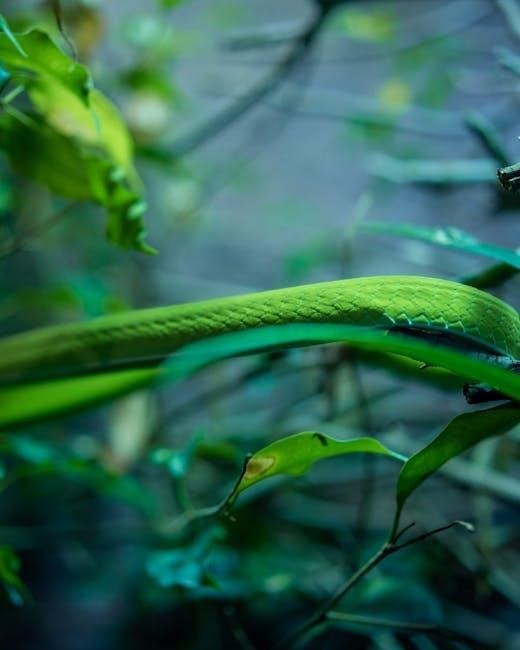
Blake’s “The Snake” is rich with symbolic interpretations, particularly concerning its overt genital imagery. A chapel is often understood as representing a “fair maiden,” while the serpent itself embodies male genitalia. The poem’s narrative, therefore, depicts a transgressive sexual encounter.
PDF analyses readily available online dissect these symbols, highlighting the “serpent’s poison” as semen and the lyric hero as a seducer, creating a potentially offensive, yet deliberate, portrayal.
The Serpent as a Phallic Symbol

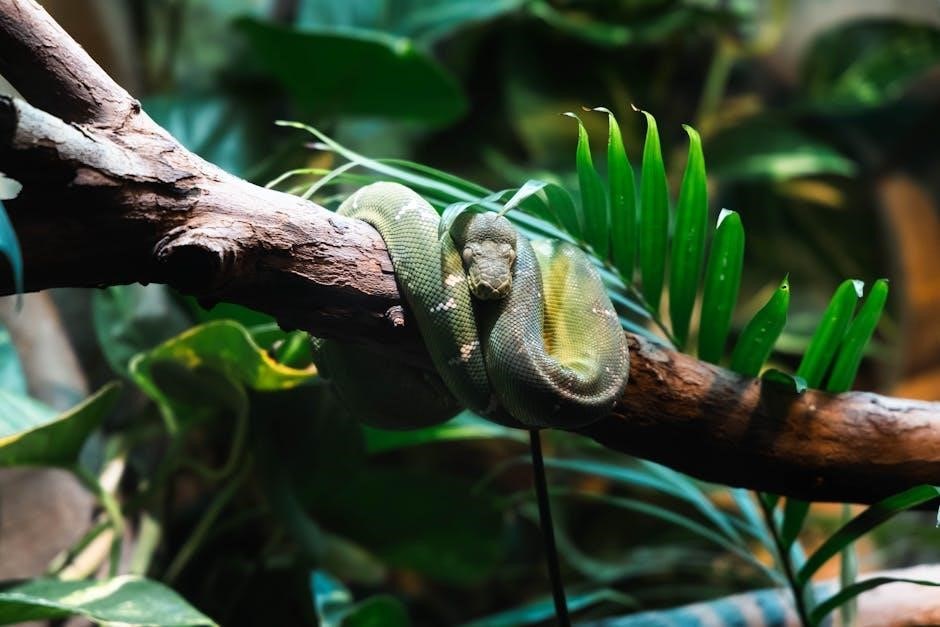
The interpretation of the serpent as a phallic symbol within Blake’s poem is strikingly direct, as detailed in numerous PDF analyses of his work. This reading stems from the poem’s explicit imagery and the narrative’s suggestive nature, portraying a clear representation of male genitalia.
Digital resources consistently emphasize this symbolism, linking the serpent’s form and actions to themes of sexual transgression and the act of seduction, solidifying its phallic interpretation.
The Chapel and Female Genitalia Representation
PDF study guides dedicated to Blake’s “The Snake” frequently highlight the chapel’s symbolic connection to female genitalia. Elements like the “sweet pavement” and “altar” are interpreted as representations of the female form, specifically the virginal aspects.
These digital analyses suggest the chapel embodies purity and receptivity, contrasting sharply with the serpent’s intrusive presence, reinforcing the poem’s depiction of a transgressive sexual encounter as described in online resources.
The Lyric Hero as a Seducer
PDF analyses of Blake’s poem consistently portray the lyric hero as a figure of seduction, actively pursuing and ultimately violating the “fair maiden” represented by the chapel. The serpent, explicitly identified as male genitals in translated interpretations, embodies the hero’s phallic power.
Digital resources emphasize the hero’s agency in initiating a transgressive act, with the “serpent’s poison” – semen – symbolizing the culmination of this seduction, a reading widely discussed in online literary criticism.

Symbolism in Lawrence’s “Snake”
PDF study guides dedicated to D.H. Lawrence’s “Snake” frequently highlight the serpent as a potent representation of primal instinct, divorced from moral judgment. The garden setting, readily available in digital formats, symbolizes the unconscious mind, a space where these instincts freely operate.
Online resources detail how Lawrence uses the snake’s movements and presence to explore the tension between human civilization and the raw, untamed forces of nature, a core theme within the poem’s symbolic weight.
The Snake as a Representation of Instinct
PDF analyses of D.H. Lawrence’s “Snake” consistently emphasize the creature embodying pure, unadulterated instinct. It operates outside the realm of human morality, driven solely by its natural impulses – hunger, self-preservation, and a primal connection to the earth.
Digital resources reveal Lawrence utilizes the snake to explore the inherent conflict between conscious thought and instinctive behavior, suggesting a necessary, albeit unsettling, aspect of the human condition.
The Garden and its Symbolic Weight
PDF studies of Lawrence’s “Snake” highlight the garden as representing a space of both potential and restriction. It’s a cultivated environment, symbolizing order and human control, yet simultaneously evokes a sense of wildness and untamed nature.
Online analyses demonstrate the garden’s symbolic weight lies in its contrast with the snake’s instinctive freedom, creating tension and mirroring the speaker’s internal struggle between reason and primal urges. It’s a liminal space, ripe with possibility.
Literary Devices Employed in Both Poems
PDF resources analyzing Blake and Lawrence reveal a shared reliance on potent imagery to convey complex themes. Both poets masterfully employ metaphor and allegory, layering meaning beyond the literal narrative.
Digital study guides emphasize how both poems utilize vivid descriptions to evoke emotional responses in the reader, creating a sensory experience. The strategic use of symbolism, particularly concerning the snake itself, is central to their poetic impact and enduring power.
Imagery and its Impact
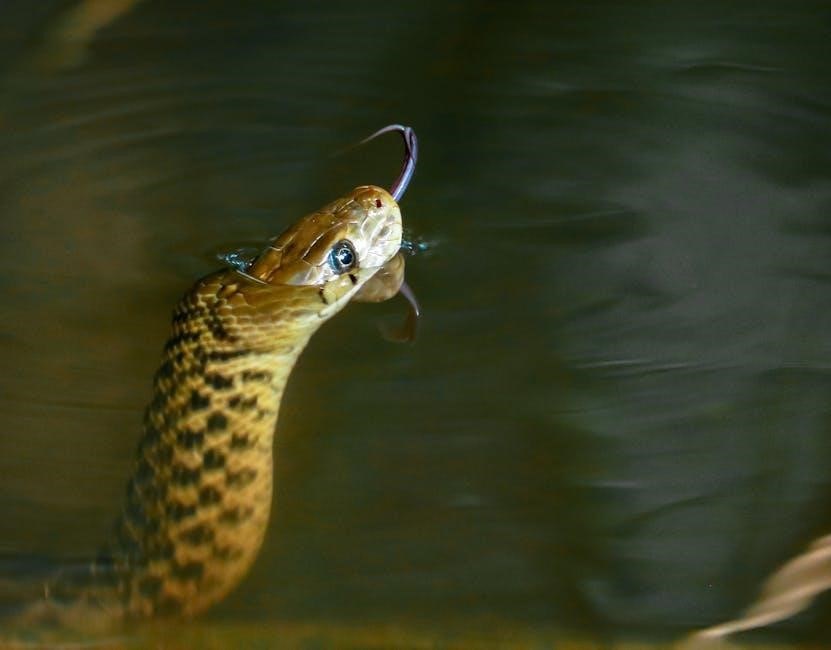
PDF analyses highlight the striking imagery in both poems; Blake’s “chapel” and Lawrence’s “garden” are richly detailed, creating distinct atmospheres. These visual elements aren’t merely descriptive but actively contribute to the poems’ symbolic weight.
Digital resources demonstrate how the snake’s depiction – its movements, color, and presence – evokes primal instincts and anxieties. The impact lies in the poets’ ability to transform concrete images into representations of abstract concepts, resonating deeply with readers.
Use of Metaphor and Allegory
PDF study guides emphasize the central role of metaphor and allegory in both poems. Blake’s work, particularly, is dissected for its layered symbolism, with the snake often interpreted as a phallic representation and the chapel as female genitalia.
Online resources reveal how Lawrence employs the snake as an allegory for instinct and the complexities of human nature. Trump’s utilization of the poem as a political allegory regarding immigration further demonstrates its potent metaphorical capabilities, sparking debate and interpretation.
“The Snake” Poem PDF Availability and Online Resources
Numerous platforms host PDFs of William Blake’s poems, including comprehensive study guides detailing analysis and themes. D.H. Lawrence’s “Snake” is readily available in digital formats through various online literary archives and educational websites.

Resources like English Academy offer study materials specifically for Class 10 English COMMUNICATIVE, aiding students in understanding the poems. University-level literary criticism and full e-texts are also accessible, providing in-depth explorations of both works.
Accessing Blake’s Poetry Online
William Blake’s complete poems, including “The Snake,” are widely available online through project Gutenberg and other digital libraries, often in PDF format. Websites dedicated to Romantic era poetry frequently offer downloadable texts and scholarly analyses.
Furthermore, numerous educational resources provide Blake’s poetry alongside study guides, quizzes, and detailed summaries. These resources facilitate a comprehensive understanding of his complex symbolism and unique poetic style, making his work accessible to students and enthusiasts alike.
Finding Lawrence’s “Snake” in Digital Formats
D.H. Lawrence’s “Snake” is readily accessible in digital formats through various online platforms. Poetry Foundation and similar websites host the poem’s text, often alongside audio recordings and critical essays. Numerous online literary journals and academic databases also provide access to the poem in PDF format.
Additionally, comprehensive collections of Lawrence’s works, available as ebooks, typically include “Snake,” offering a convenient way to study the poem within the broader context of his literary output.
Educational Resources: Study Guides and Analyses
A wealth of educational resources exists for students analyzing both Blake’s and Lawrence’s “The Snake.” Detailed study guides, like those accompanying “The Poems of William Blake,” offer biographical context, thematic explorations, and comprehensive poem analyses.
Furthermore, resources tailored for specific curricula, such as the Class 10 English COMMUNICATIVE course, provide targeted support. University-level literary criticism offers in-depth scholarly perspectives, accessible through academic databases and online journals.
Class 10 English COMMUNICATIVE Resources
For Class 10 English COMMUNICATIVE students, dedicated resources streamline the study of “The Snake.” English Academy’s board exam success course, accessible via bit.ly/scdc10yd, provides focused explanations and literary device analyses. These materials are specifically designed to aid comprehension and exam preparation.
Additionally, supplementary online materials offer detailed summaries, character analyses, and contextual information, ensuring students grasp the poem’s nuances and achieve academic success.

University-Level Literary Criticism
Scholarly analyses of both Blake’s and Lawrence’s “The Snake” delve into complex interpretations, often focusing on symbolism and allegorical meanings. The Poems of William Blake study guide provides extensive essays and a complete e-text for in-depth research.
Critical discourse explores Freudian interpretations of the poems’ imagery, particularly concerning genital symbolism, and examines the historical and political contexts influencing their creation and reception.
Blake’s Unique Style and Influences
Despite acknowledged influences, William Blake’s artistic vision remains remarkably singular and difficult to categorize definitively. The 19th-century scholar William Rossetti characterized Blake’s work as uniquely his own, defying easy classification within established literary movements.
His poetry, including “The Snake,” showcases a distinctive blend of visionary imagination, symbolic language, and unconventional stylistic choices, setting him apart from his contemporaries and inspiring generations of artists.
Rossetti’s Characterization of Blake
William Rossetti, a 19th-century scholar, profoundly observed the elusive nature of William Blake’s artistic identity. He noted that despite discernible influences, Blake’s work possessed an inherent originality, resisting neat categorization within prevailing literary schools.
Rossetti’s assessment highlights Blake’s exceptionalism – a poet whose visionary imagination and unique stylistic choices transcended conventional boundaries, establishing a truly singular artistic voice.
Controversies and Interpretations
Blake’s “The Snake” has sparked debate due to its overt genital symbolism, with interpretations labeling the serpent as phallic and the chapel as representing female genitalia. This reading frames the poem as a depiction of a transgressive sexual encounter, culminating in a potentially offensive depiction of ejaculation.
Such interpretations, while prevalent, remain contentious, prompting discussions about the boundaries of artistic license and the potential for misconstrued meaning within symbolic poetry.
Offensive Interpretations of Genital Symbolism
The explicit genital symbolism within Blake’s “The Snake” – the serpent as phallic, the chapel door and altar as female genitalia – understandably generates discomfort for some readers. The final stanza’s depiction of the serpent’s “poison” (semen) within this context is particularly jarring.
Critics argue this imagery, while potentially intentional, risks objectification and perpetuates harmful associations, making the poem deeply problematic despite its artistic merit and complex themes.
The Poems’ Enduring Relevance
Both Blake’s and Lawrence’s “The Snake” continue to resonate with contemporary audiences, evidenced by Donald Trump’s frequent use of Blake’s poem during his presidential campaigns and CPAC speeches.
The poem’s allegorical nature allows for flexible interpretation, particularly regarding themes of trust, betrayal, and the dangers of unchecked compassion, making it a potent tool for political commentary and sparking ongoing debate.
Continued Political Usage
Donald Trump notably employed William Blake’s “The Snake” as a metaphor for immigration, specifically framing it as a cautionary tale against aiding those who might later harm their benefactors.
His repeated recitation of the poem at rallies and the 2023 CPAC conference demonstrates its enduring appeal as a rhetorical device for galvanizing support and reinforcing his stance on border security and immigration policies, sparking considerable media attention.
Comparative Analysis: Blake vs. Lawrence
While both poems feature a snake, their symbolic representations diverge significantly. Blake’s serpent embodies transgression and sexual desire, heavily laden with genital symbolism within a religious context.
Lawrence’s snake, conversely, represents primal instinct and a connection to the natural world, prompting a more psychological and existential exploration of human response to beauty and fear. Despite differing styles, both poets utilize potent imagery to explore complex themes.
Similarities in Symbolic Representation
Despite their distinct approaches, both Blake and Lawrence employ the snake as a powerful symbol of duality. The serpent embodies both temptation and innocence, creation and destruction, and the conscious versus the unconscious mind.
Each poem utilizes the snake to explore themes of transgression and the unsettling nature of instinctual desires. The garden setting in Lawrence’s poem mirrors the enclosed, potentially dangerous space of Blake’s chapel, both representing a boundary crossed.
Differences in Poetic Style
Blake’s “The Snake” is characterized by its visionary quality and symbolic density, employing a more allegorical and explicitly religious framework. His language is often archaic and intensely focused on spiritual conflict.
Conversely, Lawrence’s “Snake” adopts a more psychological and realistic tone, prioritizing sensory detail and the internal experience of encountering the animal. His style is marked by a conversational rhythm and a focus on the immediacy of the moment, diverging from Blake’s prophetic voice.
Analyzing the Poems Through a Psychological Lens
Freudian interpretations of both poems frequently center on the potent symbolism of the serpent as a phallic representation, and enclosed spaces like chapels as symbolizing female genitalia; Blake’s poem, in this view, depicts a repressed sexual encounter and the anxieties surrounding desire.
Lawrence’s work lends itself to Jungian analysis, with the snake embodying primal instincts and the unconscious. The garden represents the psyche, and the encounter signifies a confrontation with one’s shadow self, prompting self-awareness.
Freudian Interpretations of Symbolism
Applying Freudian theory, Blake’s “The Snake” is often read as a depiction of repressed sexual desire. The serpent, undeniably phallic, intrudes upon the “fair maiden” – representing virginal purity – and the chapel door symbolizes female genitalia. The serpent’s “poison,” interpreted as semen, signifies a transgressive act.
This reading views the lyric hero as a seducer, enacting a forbidden encounter. The poem’s imagery, while seemingly pastoral, becomes charged with erotic tension, reflecting unconscious drives and anxieties surrounding sexuality.
The Snake Poem and its Impact on Popular Culture
Recently, “The Snake” experienced a resurgence in visibility due to its adoption by Donald Trump during his 2016 and 2020 campaigns, and again at CPAC in 2023. He utilized the poem as a metaphor for immigration, specifically framing it as a warning against welcoming those who might later betray kindness.
This political usage sparked widespread discussion and debate, bringing the poem to a broader audience and prompting analyses of its allegorical implications within contemporary socio-political contexts.

References in Media and Art
While direct references to the poems themselves in mainstream media and art remain relatively limited, the narrative popularized by Trump’s usage has generated significant media coverage. News outlets extensively reported on his recitation of “The Snake” at rallies and CPAC, analyzing its intended message.
Consequently, the poem’s imagery and themes have indirectly permeated political discourse, appearing in commentary, cartoons, and online discussions surrounding immigration policy and border security, demonstrating its cultural impact.
Future Research Directions
Further scholarly investigation could explore the evolving reception of both poems in the digital age, particularly concerning their circulation as PDFs and memes. Analyzing online discussions and interpretations reveals contemporary understandings and misinterpretations.
Additionally, research could delve into the psychological impact of the poems’ symbolism on readers, employing modern psychoanalytic frameworks. Examining the interplay between textual analysis and digital dissemination offers a novel avenue for literary study.
Exploring Unexplored Interpretations
Despite extensive analysis, nuanced interpretations of “The Snake” poems remain. Research could focus on eco-critical readings, examining the poems’ engagement with nature and environmental anxieties, particularly relevant given contemporary ecological concerns.
Moreover, a comparative study of different PDF versions – annotated student editions versus scholarly critical editions – could reveal how interpretations are shaped by editorial choices and target audiences. Investigating the poems’ resonance within specific online communities is also promising.